
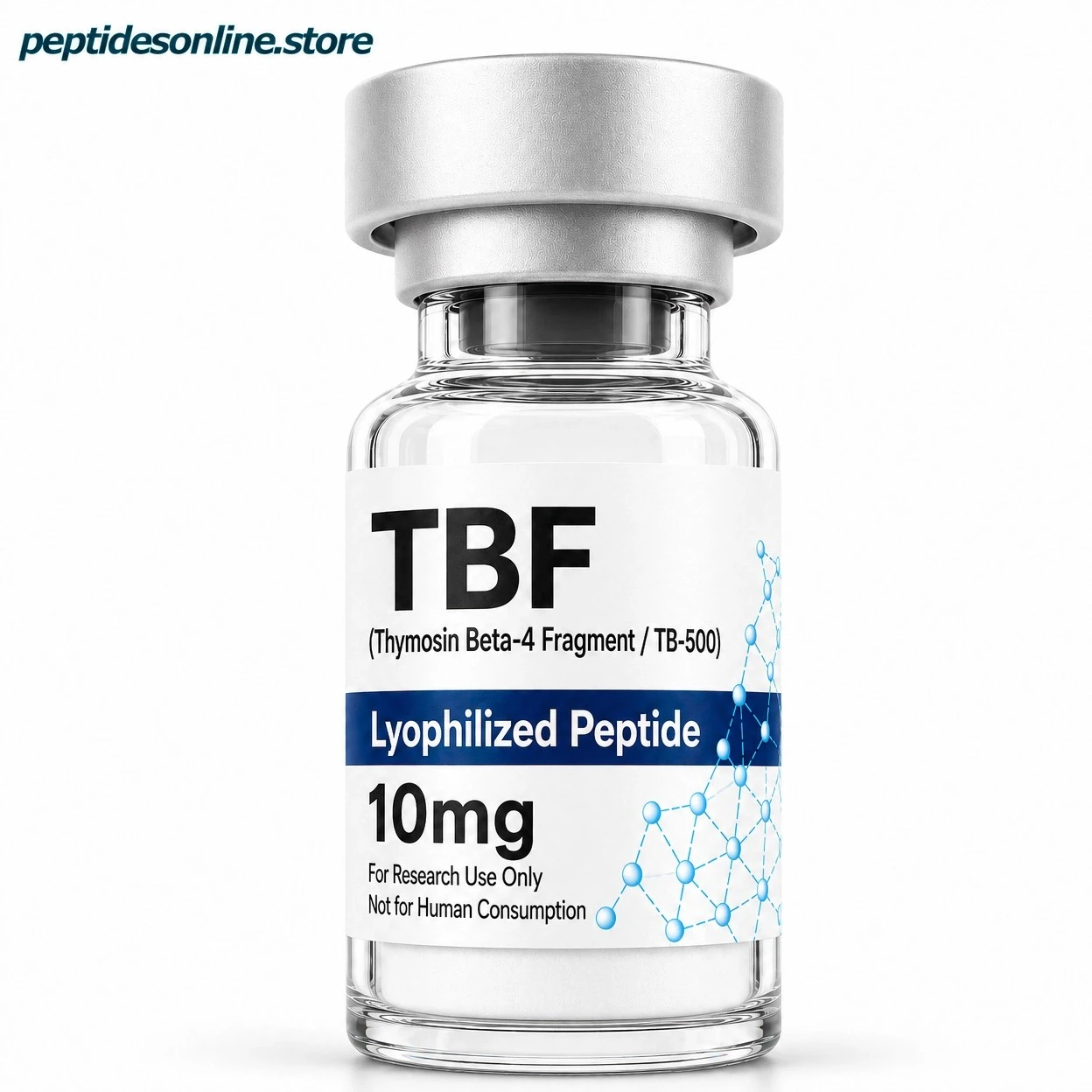
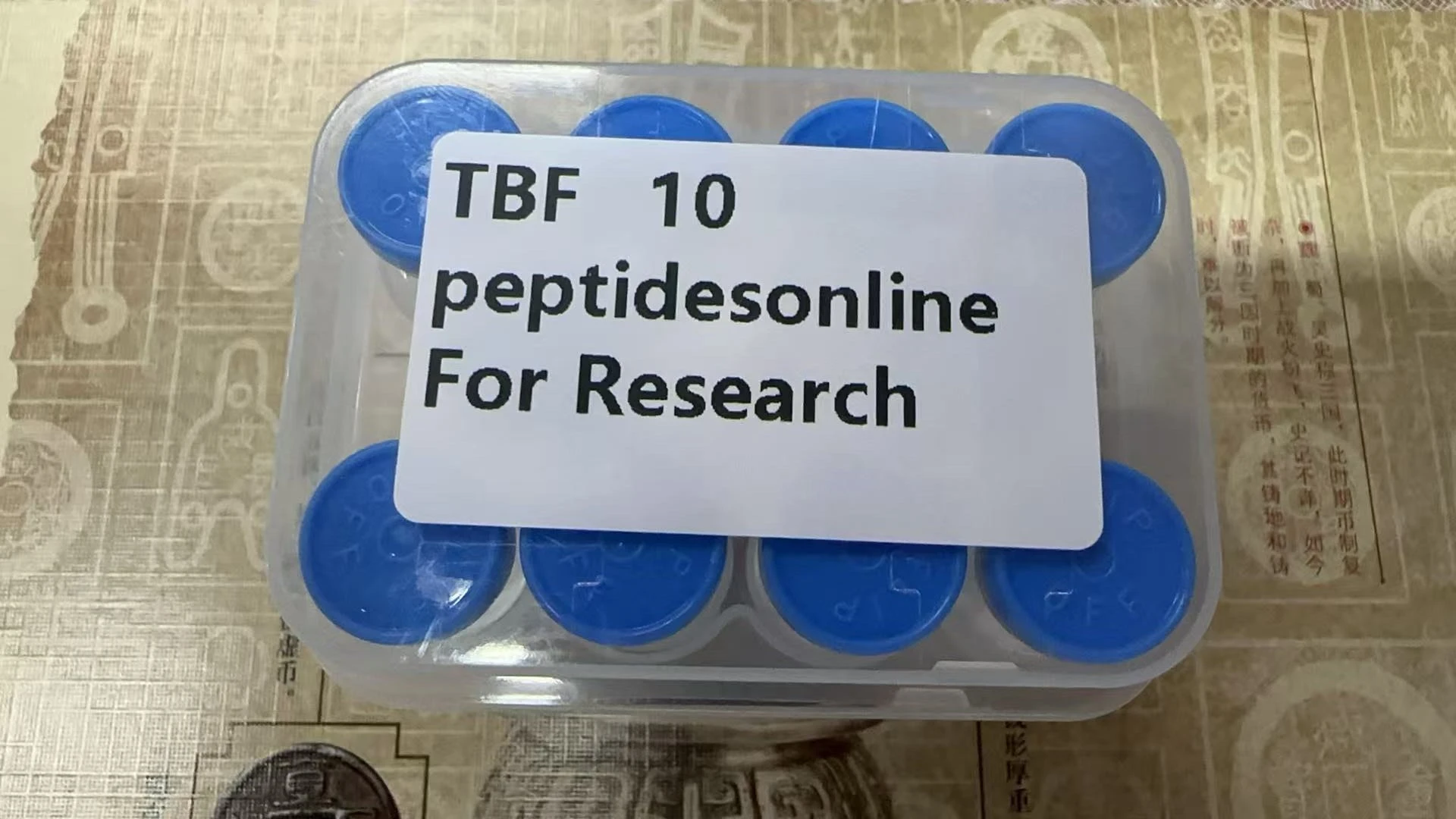
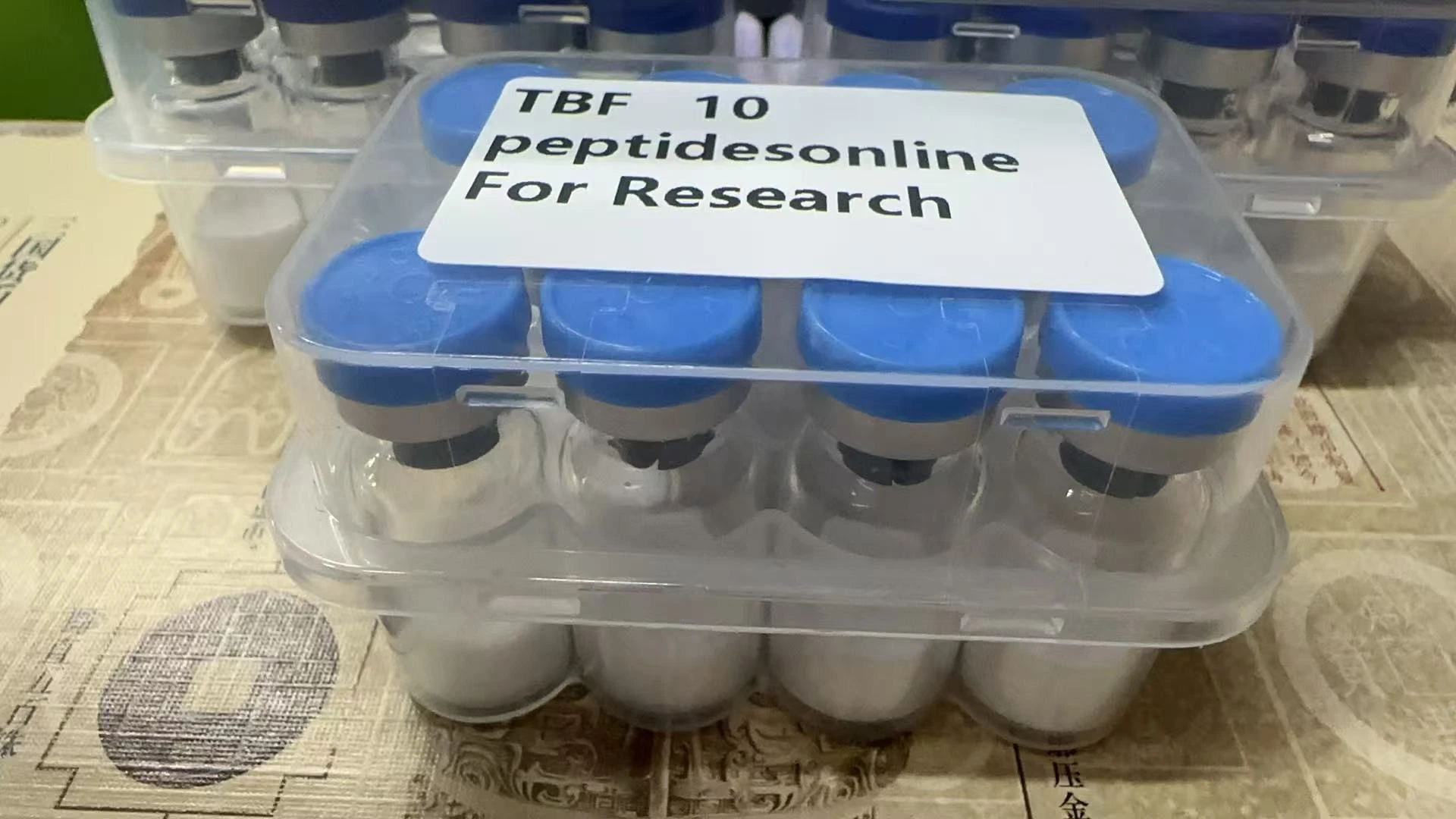
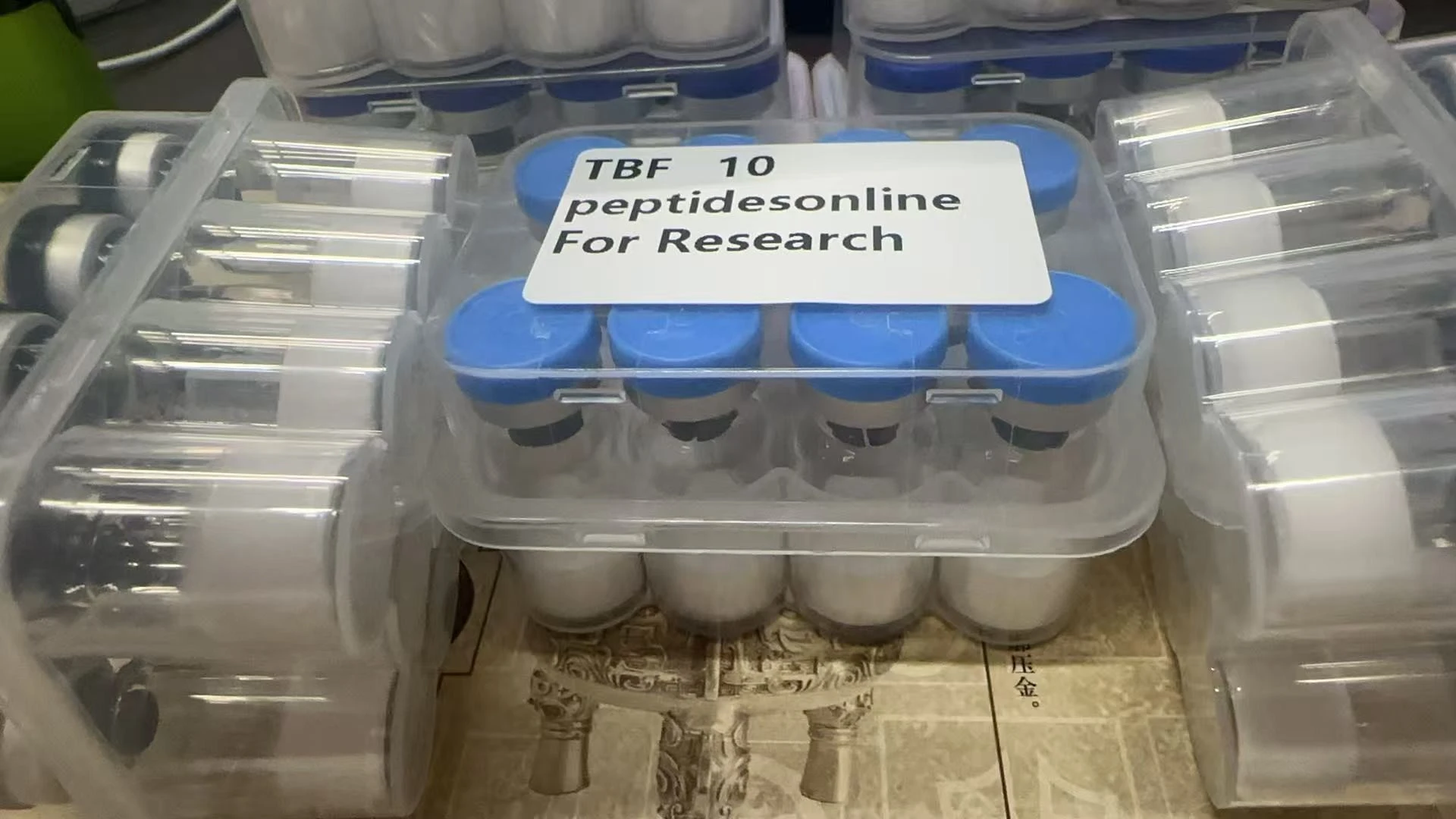
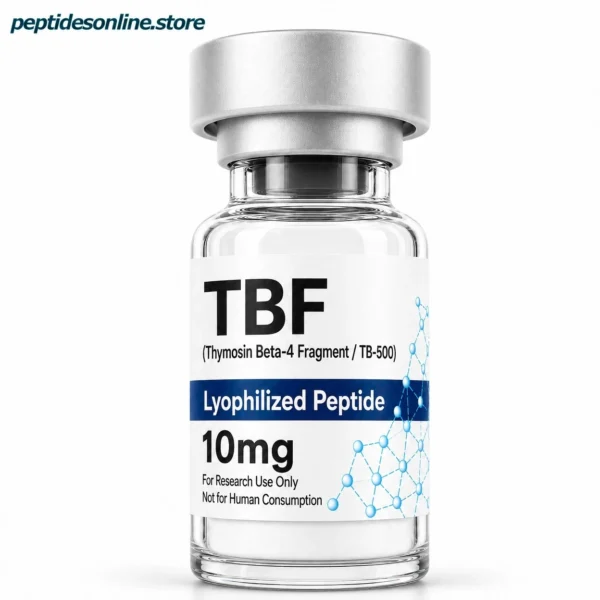
TBF (Thymosin Beta-4 Fragment / TB-500)
TBF, commonly known in laboratory circles as TB-500, is a synthetic, acetylated 20-amino acid fragment of the naturally occurring protein Thymosin Beta-4. Unlike the full-length protein, this specific fragment contains the essential G-actin binding domain, which is responsible for its high biological activity in tissue regeneration and cellular migration. In biochemical research, TB-500 is a primary focus for investigating the mechanisms of wound healing, muscle recovery, and the stimulation of angiogenesis (the formation of new blood vessels) within injured tissue microenvironments.
Our TB-500 is synthesized in an ISO 9001:2015 certified and GMP-grade manufacturing environment. By utilizing advanced Solid-Phase Peptide Synthesis (SPPS) and multi-stage HPLC purification, we guarantee a chemical purity of ≥99%. This meticulous quality control ensures that the peptide is free from truncated fragments and residual synthesis reagents, providing the high-fidelity results necessary for sensitive research into cellular signaling and extracellular matrix remodeling.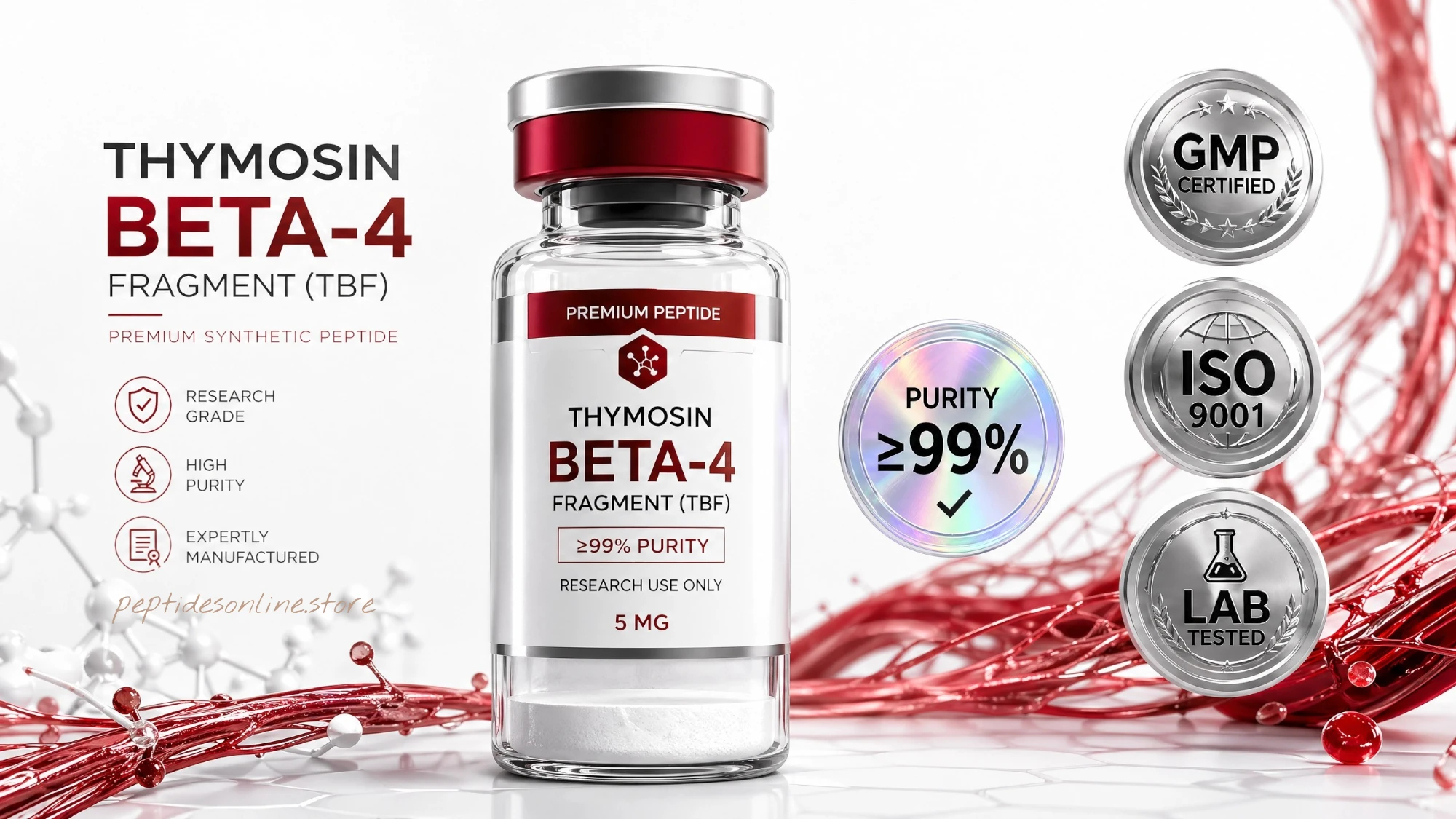
Research Applications & Mechanisms
Cellular Migration & Wound Healing
Investigating the peptide’s ability to upregulate actin, thereby promoting the migration of cells to the site of injury for accelerated tissue repair research.
Angiogenesis & Vascular Research
Studying the pathways through which Tβ4 fragments stimulate endothelial cell differentiation and the development of new capillary networks.
Anti-Inflammatory Signaling
Researching the modulation of pro-inflammatory cytokines and the peptide’s role in reducing oxidative stress within damaged muscular and connective tissues.
Cardioprotective Models
Exploring the regenerative effects of TB-500 in cardiac tissue models to observe its influence on cellular survival and structural stability.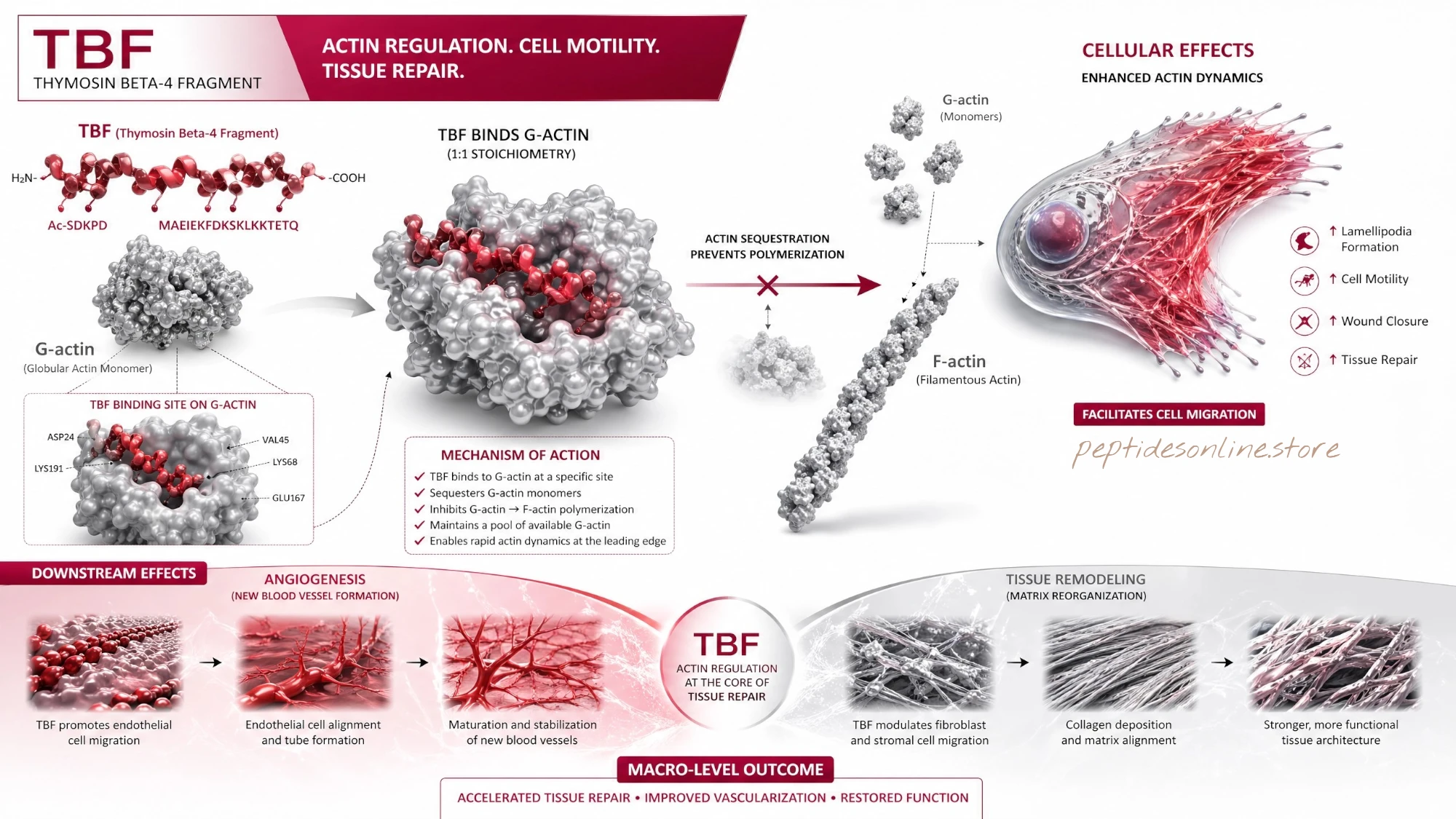
Technical Specifications
| Parameter | Laboratory Standard |
| Compound | TBF (Thymosin Beta-4 Fragment / TB-500) |
| Production Quality | GMP-Level Compliance |
| Purity (HPLC) | ≥99% (Pharmaceutical Grade) |
| Physical Appearance | Fine, Smooth & Flat Lyophilized Cake |
| Molecular Formula | C103H162N26O32S |
| Molecular Weight | 2236.6 Da |
| Solubility | Highly Soluble in Water (Aqueous) / Sterile Saline |
| Batch Control | MS & HPLC Analysis Verified |
Key Features & Quality Assurance
Pharmaceutical-Grade Lyophilization
Our proprietary vacuum-sealing process ensures the TB-500 powder surface is perfectly smooth, flat, and delicate. This uniform “cake” structure ensures rapid reconstitution and protects the 20-amino acid chain from environmental degradation.
Acetylated Stability
The synthetic acetylation of this fragment enhances its stability in research media, allowing for consistent observations in both in-vitro and in-vivo experimental designs.
Reconstitution & Storage
Reconstitution Guide
-
Preparation: Allow the vial to reach room temperature. Centrifuge for 30-60 seconds to ensure the TBF cake is at the base.
-
Solvent: Reconstitute with Sterile Water or Sterile Saline (0.9% NaCl).
-
Technique: Gently introduce the diluent against the vial wall. DO NOT SHAKE; swirl gently until the solution is clear and transparent.
Storage Protocols
-
Long-term: Store at -20°C (Maintains potency for up to 24 months).
-
Short-term: Stable at 2–8°C for up to 3 months.
-
Post-Reconstitution: Store at 2–8°C and utilize within 10-14 days.
Shipping & Documentation
-
Global Logistics: Shipped in discreet, temperature-controlled packaging to protect the TB-500 molecular structure.
-
Verified Quality: A batch-specific Certificate of Analysis (COA) and HPLC/MS reports are available for every order.
-
Reshipment Policy: We provide a guaranteed reshipment policy for any lost or customs-intercepted orders (terms apply).
⚠️ Research Disclaimer
Product-Specific Safety Notice: This TBF (Thymosin Beta-4 Fragment) is strictly for laboratory research and analytical purposes. It is NOT intended for human or veterinary administration. All research must be conducted by qualified professionals.
Scientific Resources & References
-
National Center for Biotechnology Information (NCBI): Thymosin Beta-4 Related Compounds (CID 16132341)
-
ScienceDirect (Elsevier): Research on Actin-Binding Peptides and Tissue Regeneration
🔍 Deep Dive Research
-
[Technical Guide]: How to Reconstitute and Store Lyophilized Peptides for Maximum Potency
-
[Regenerative Study]: The Role of TB-500 in Modern Angiogenesis and Wound Repair Research
Rickard.stenberg –
Will continue ordering.