
Overview
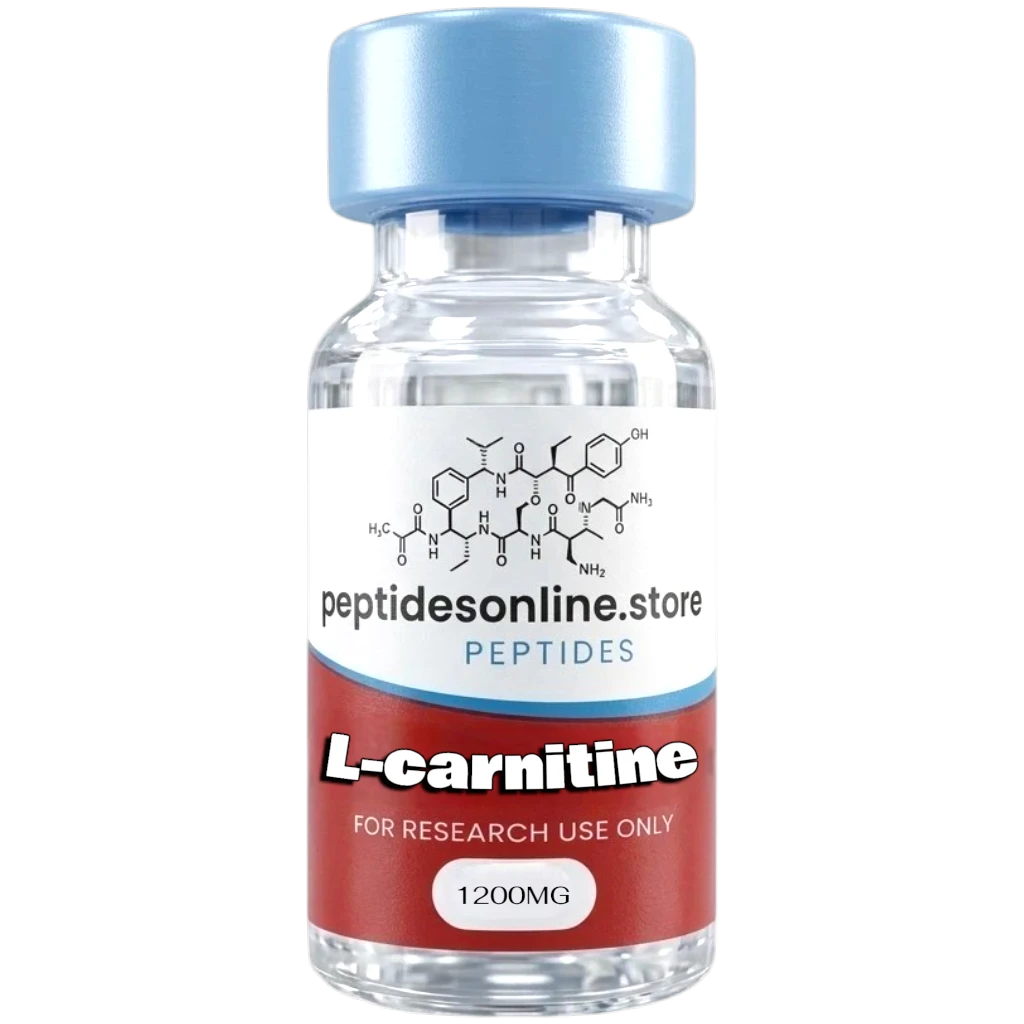
L-carnitine, scientifically known as Levocarnitine, is a naturally occurring quaternary ammonium compound synthesized from the amino acids lysine and methionine. In the field of advanced metabolic and cellular research, L-carnitine is recognized as an indispensable cofactor for the transport of long-chain fatty acids into the mitochondrial matrix. This transport is mediated by the Carnitine Palmitoyltransferase (CPT) system, allowing for subsequent β-oxidation and ATP production. It provides researchers with a vital experimental tool to investigate metabolic flexibility, the regulation of oxidative stress within the mitochondria, and the molecular pathways of lipid-induced insulin resistance.
Our L-carnitine is manufactured in an ISO 9001:2015 certified environment utilizing high-precision synthesis and purification technologies. We achieve an ultra-high chemical purity of ≥99% (Analytical Grade), ensuring the compound is free from D-carnitine isomers and residual heavy metals. This rigorous standard guarantees the reproducibility and data integrity required for sensitive metabolic assays, myocardial tissue research, and longitudinal studies into cellular aging.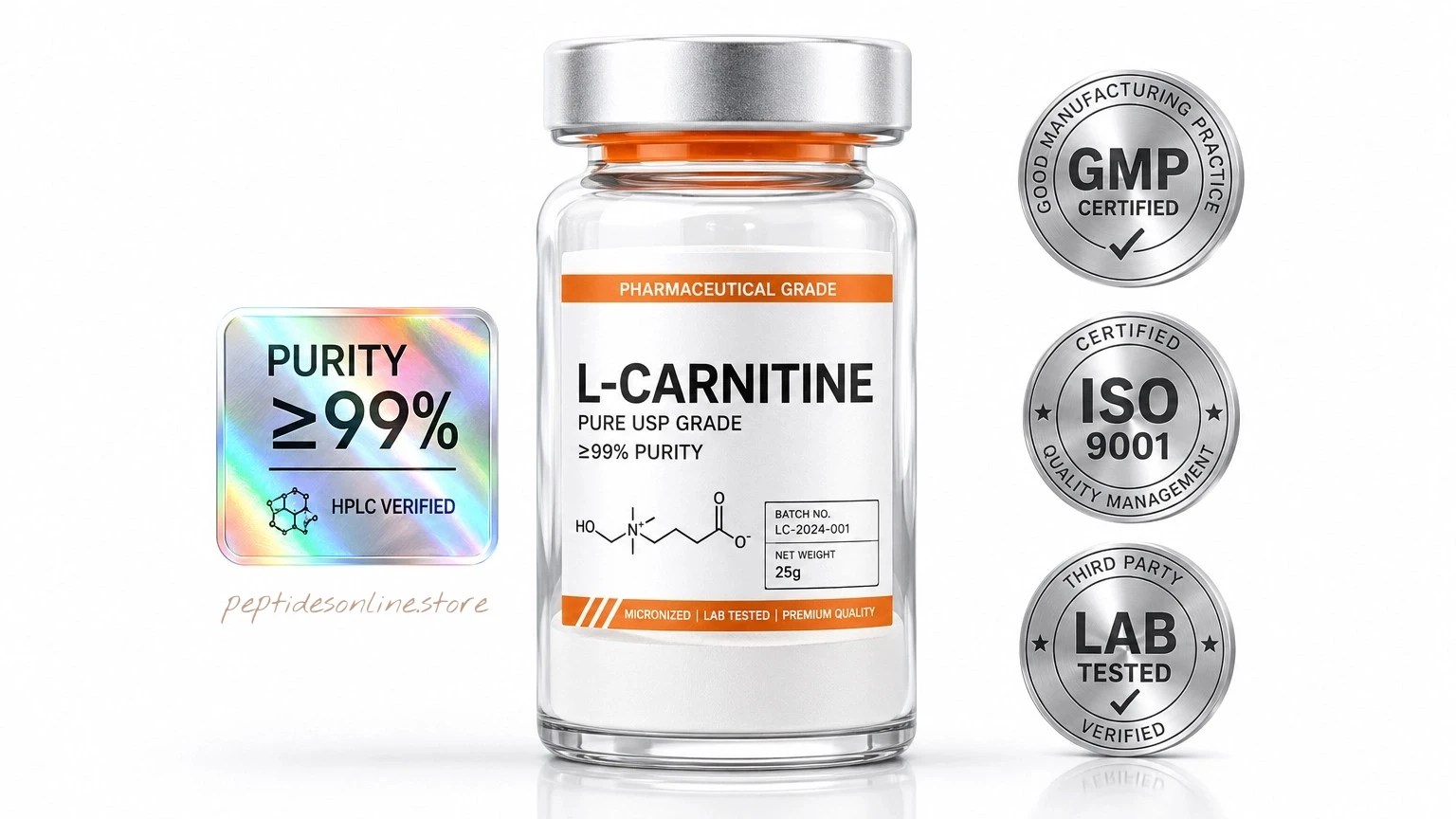
Research Applications & Mechanisms
Mitochondrial Fatty Acid Transport
Investigating the rate-limiting steps of fatty acid entry into mitochondria and the modulation of the CPT-1 and CPT-2 enzyme systems.
Cellular Bioenergetics & ATP Production
Researching the influence of Levocarnitine on the Krebs cycle efficiency and its role in enhancing energy output in skeletal and cardiac muscle models.
Oxidative Stress & Mitochondrial Protection
Studying the pathways through which L-carnitine mitigates the accumulation of metabolic by-products and reduces mitochondrial membrane lipid peroxidation.
Exercise Physiology & Recovery Models
Exploring the role of carnitine supplementation in modulating lactate production and ammonia clearance in high-intensity metabolic research designs.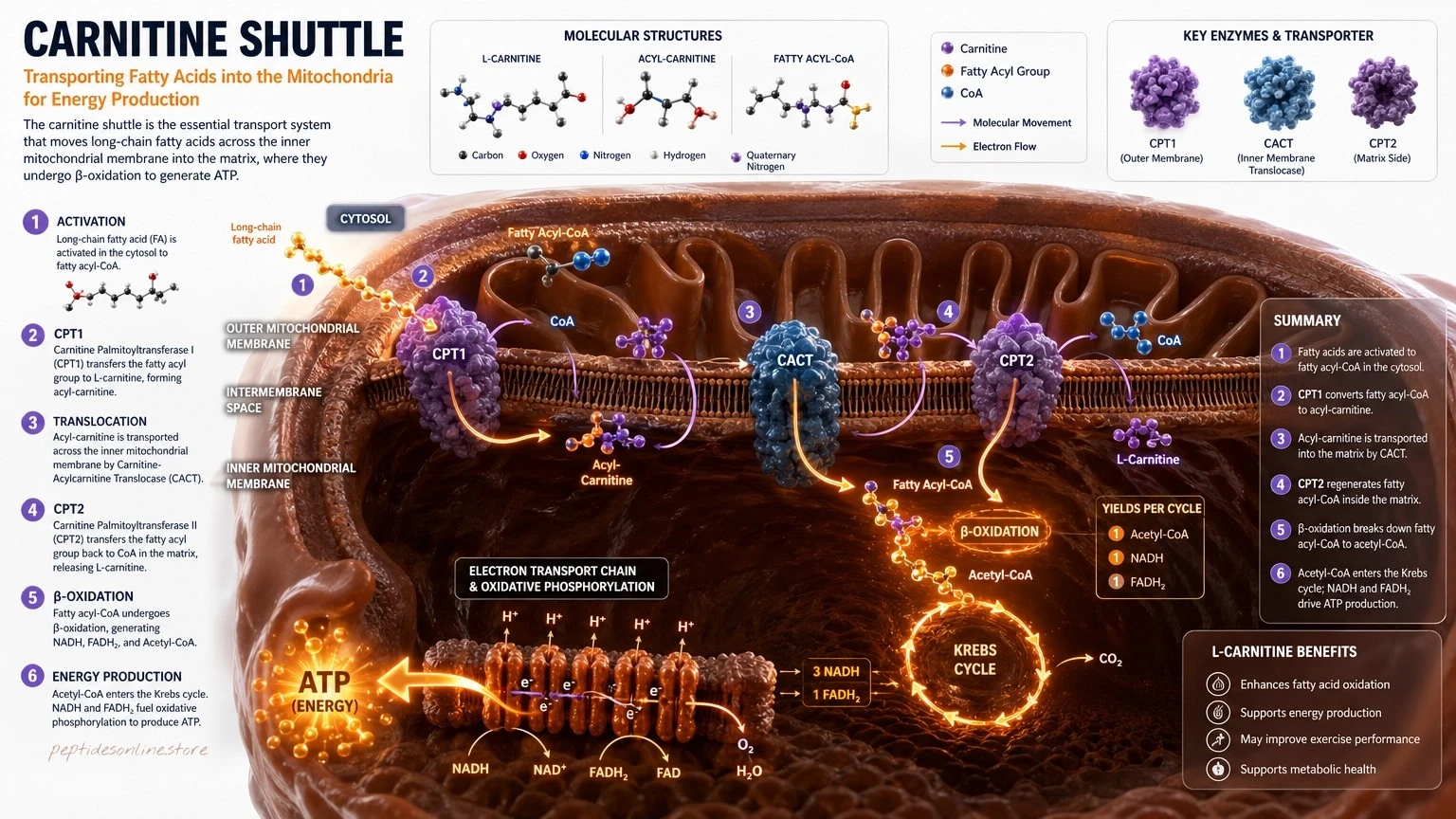
Technical Specifications
| Parameter | Laboratory Standard |
| Compound | L-carnitine (Levocarnitine) |
| Molecular Formula | C7H15NO3 |
| Purity (HPLC) | ≥99% (Analytical Grade) |
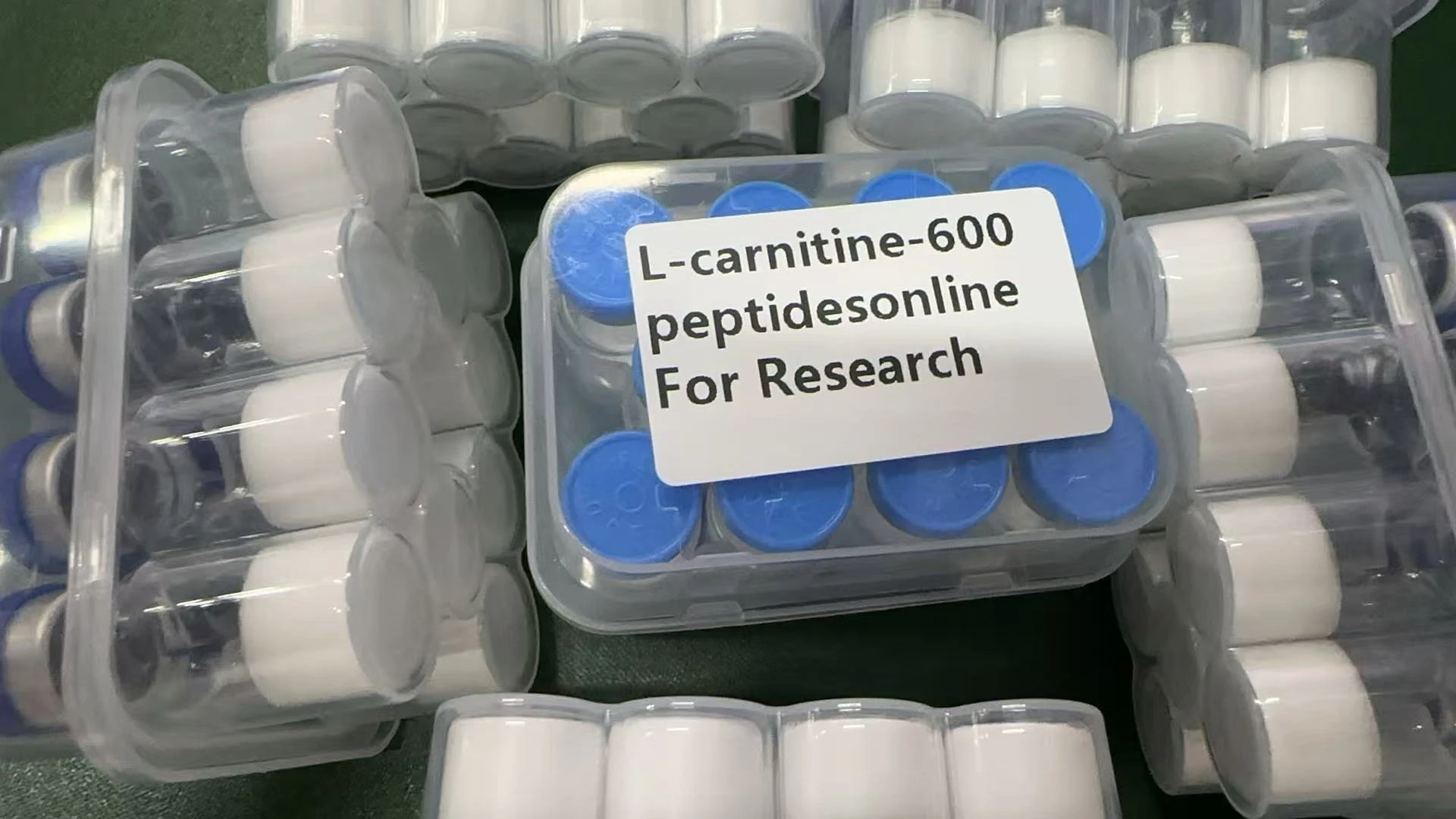
| Physical Appearance | Fine, Smooth & Flat Lyophilized Cake |
| Molecular Weight | 161.2 g/mol |
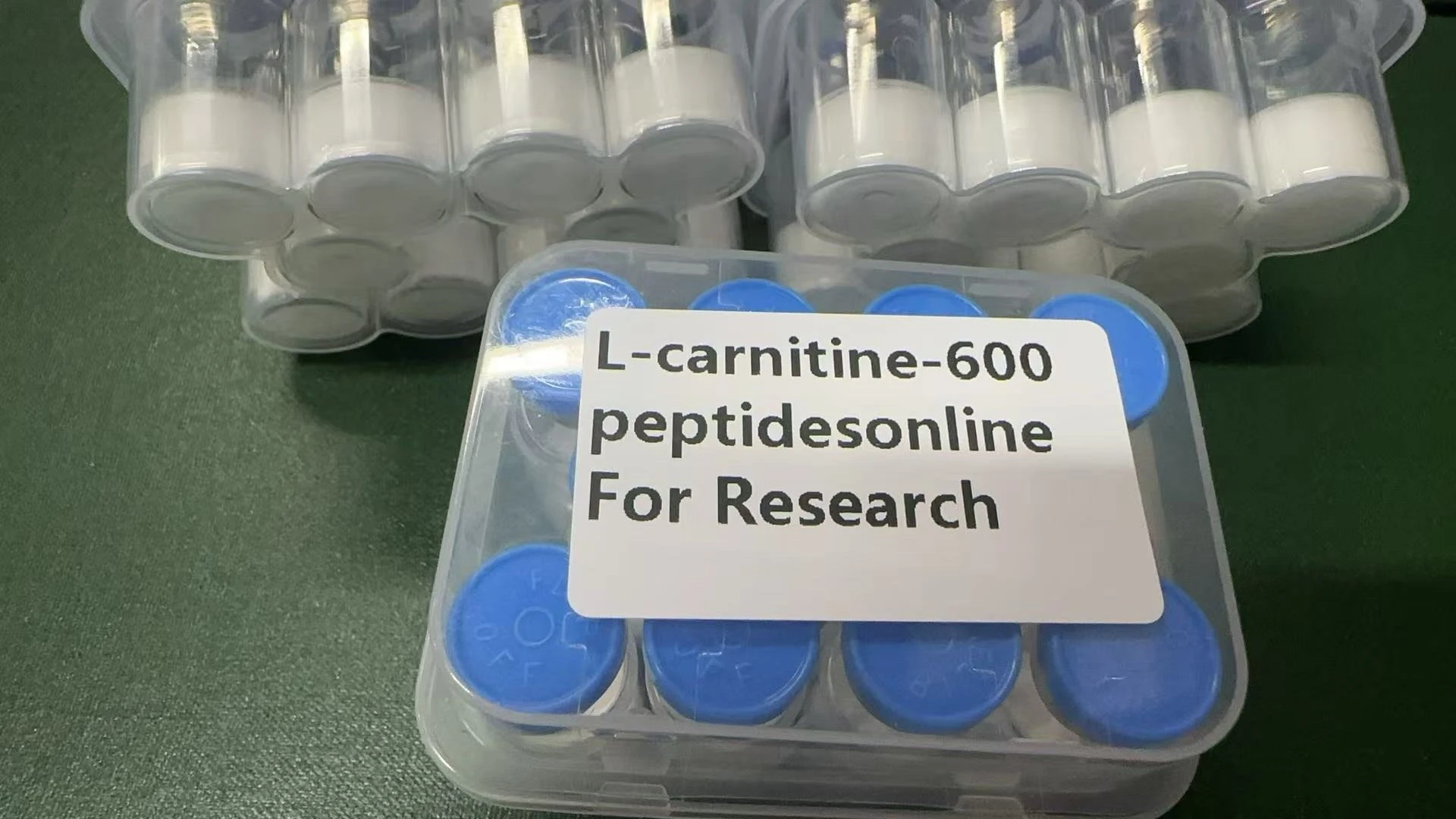
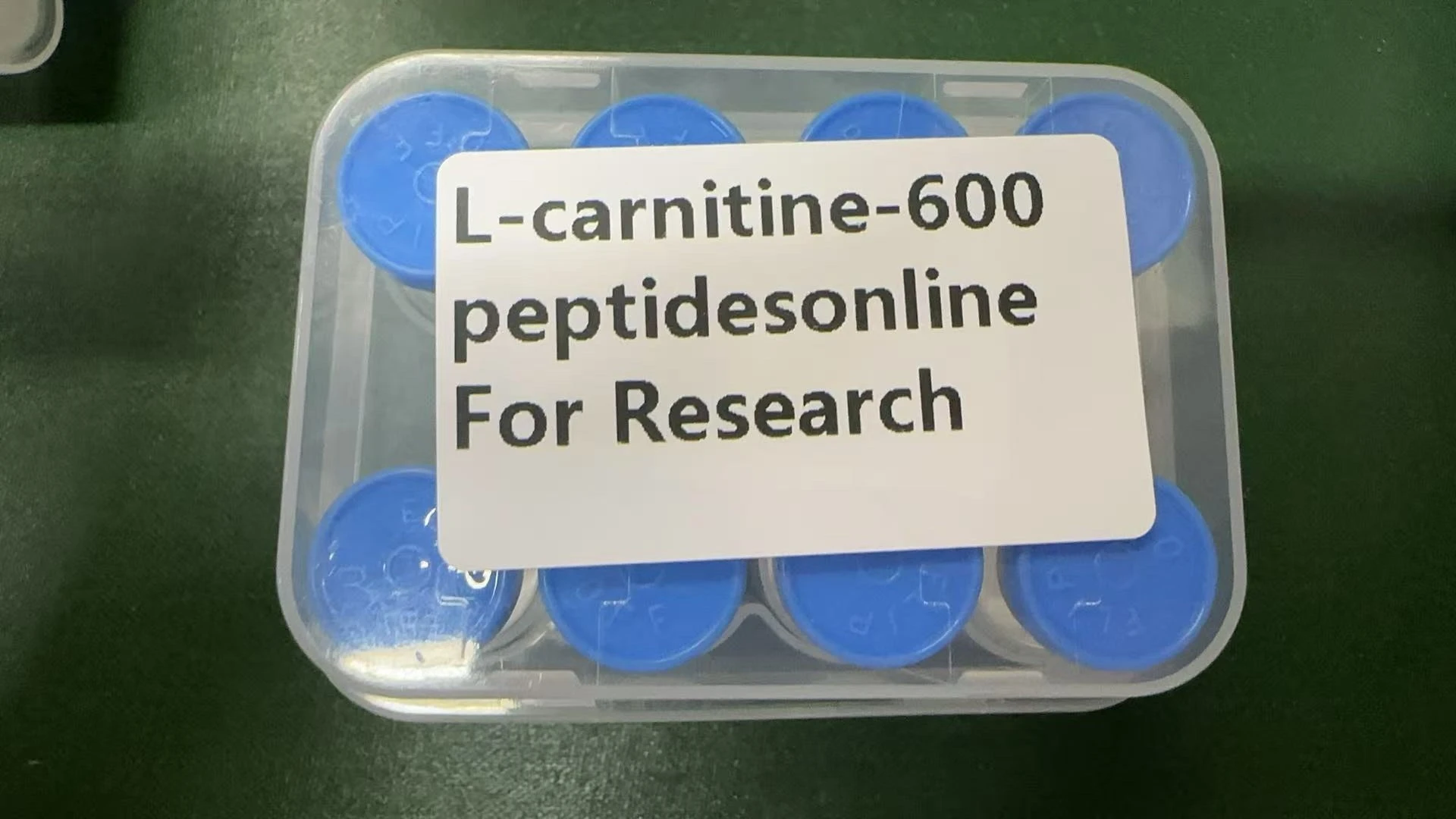
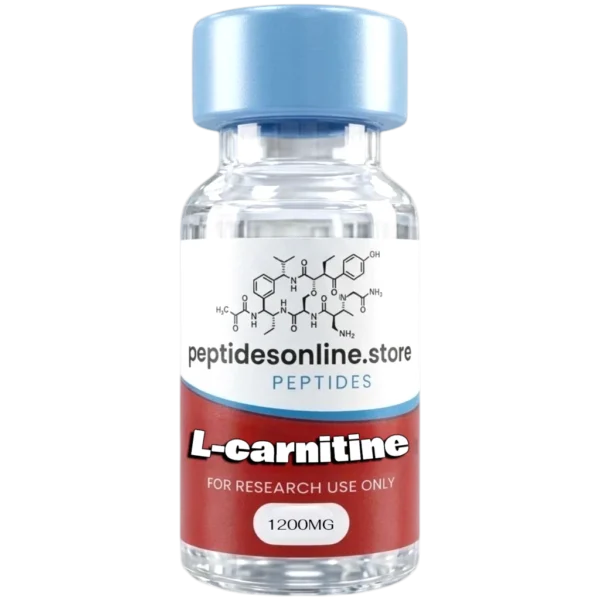
| Concentration | Available in 600mg / 1200mg vials |
| Solubility | Highly Soluble in Water (Aqueous) / Sterile Saline |
| Batch Control | MS & HPLC Analysis Verified |
Key Features & Quality Assurance
Pharmaceutical-Grade Lyophilization
Our proprietary vacuum-sealing process ensures the L-carnitine powder surface is perfectly smooth, flat, and delicate. This uniform “cake” structure ensures rapid, clear reconstitution and maintains the chemical stability of the molecule during long-term storage.
Isomeric Purity Assurance
Every batch is strictly screened to ensure 100% L-isomer (Levocarnitine) fidelity. We guarantee zero contamination with D-carnitine, which can act as a competitive inhibitor and compromise research results.
Reconstitution & Storage
Reconstitution Guide
-
Preparation: Allow the vial to reach room temperature. Centrifuge for 30-60 seconds to ensure the L-carnitine cake is at the base.
-
Solvent: Reconstitute with Sterile Water or 0.9% Normal Saline.
-
Technique: Gently introduce the diluent against the vial wall. DO NOT SHAKE; swirl gently until the solution is clear and transparent.
Storage Protocols
-
Long-term: Store at -20°C (Maintains potency for up to 24 months).
-
Short-term: Stable at 2–8°C for up to 3 months.
-
Post-Reconstitution: Store at 2–8°C and utilize within 10-14 days. L-carnitine is hygroscopic; ensure the vial remains hermetically sealed.
Shipping & Documentation
-
Global Logistics: Shipped in discreet, secure packaging to maintain the structural integrity of the Levocarnitine compound.
-
Verified Quality: A batch-specific COA and HPLC reports are available for every order.
-
Reshipment Policy: We provide a guaranteed reshipment policy for any lost or customs-intercepted orders (terms apply).
⚠️ Research Disclaimer
Product-Specific Safety Notice: This L-carnitine (Levocarnitine) is strictly for laboratory research and analytical purposes. It is NOT intended for human or veterinary administration. All research must be conducted by qualified professionals.
Scientific Resources & References
-
National Center for Biotechnology Information (NCBI): L-carnitine Compound Summary (CID 10917)
-
ScienceDirect (Elsevier): Dietary L-carnitine on growth, serum antioxidant capacity and intestinal microflora for juvenile Litopenaeus vannamei
🔍 Deep Dive Research
-
[Technical Guide]: Handling Hygroscopic Compounds: Best Practices for L-carnitine Reconstitution
-
[Metabolic Study]: The Mitochondrial Engine: Exploring Levocarnitine in Modern Bioenergetics Research
rocknroll –
Happy so far.