
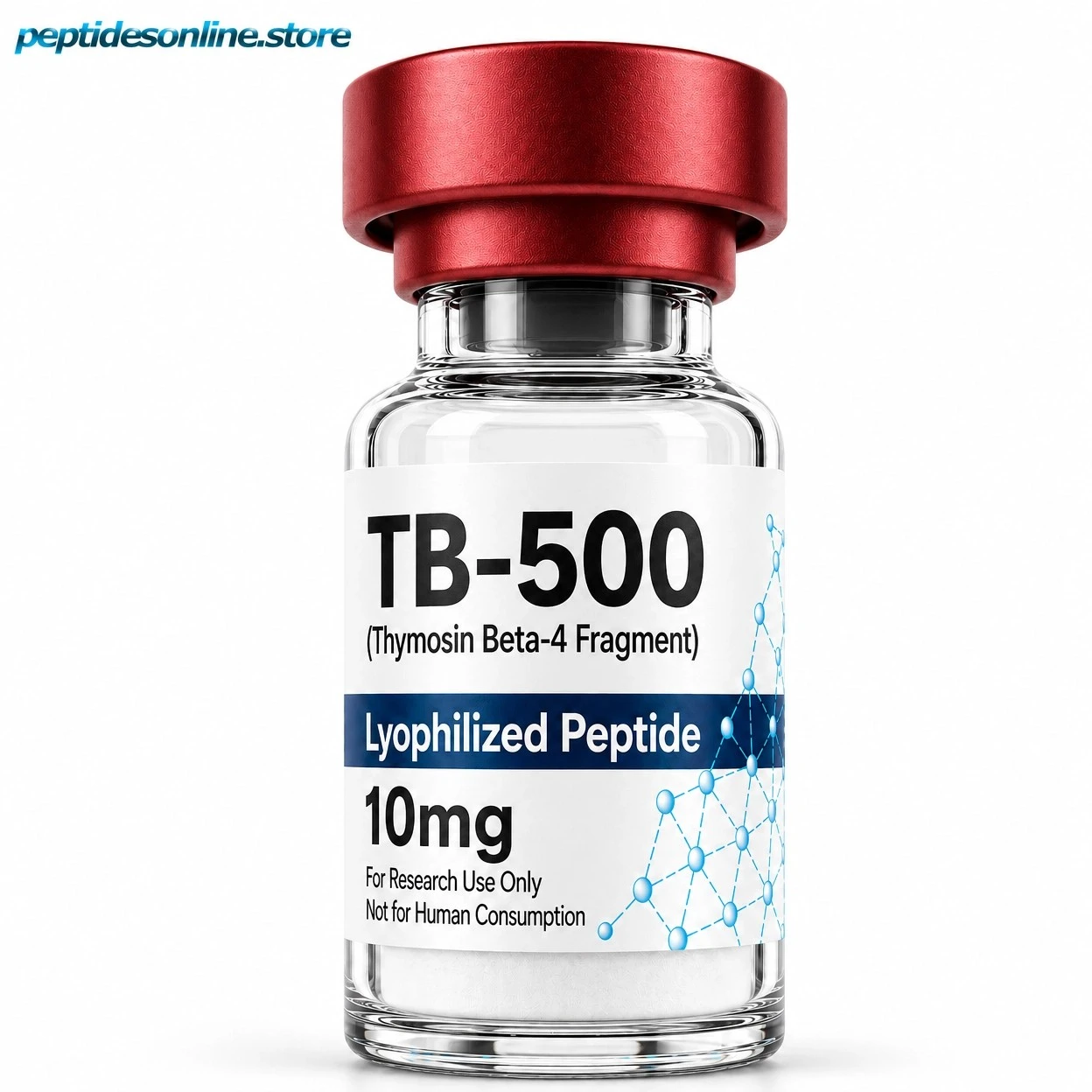
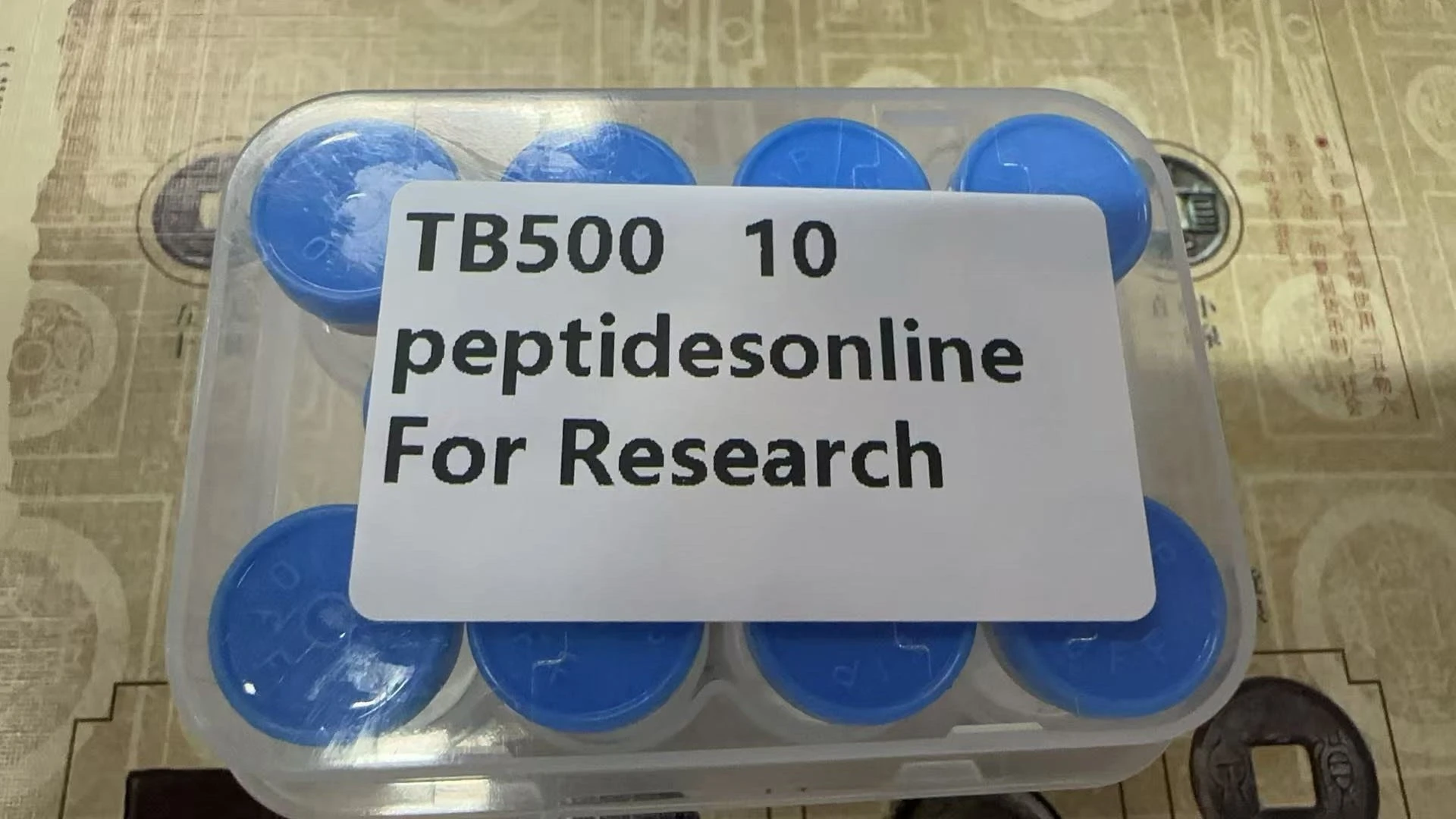
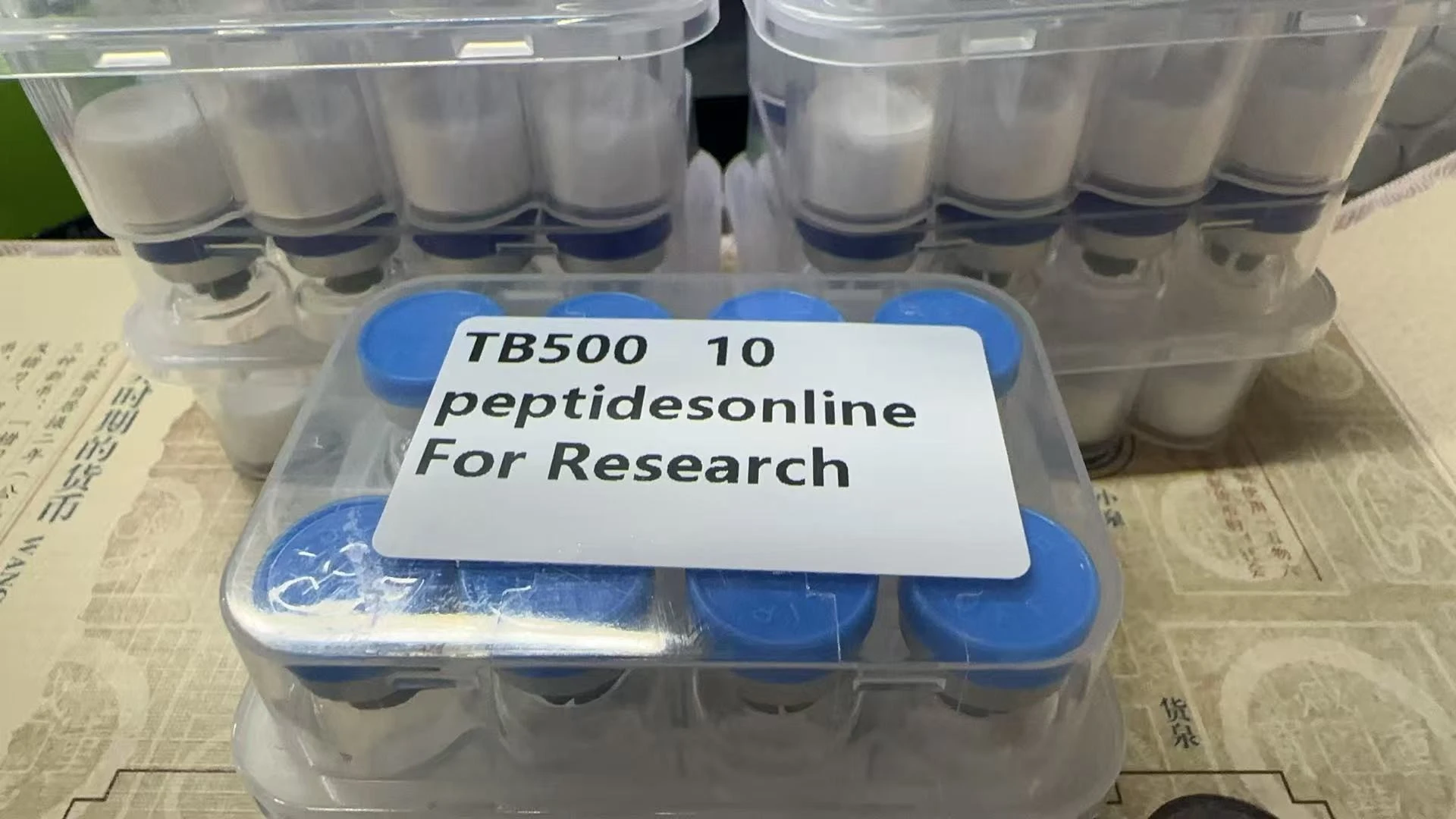
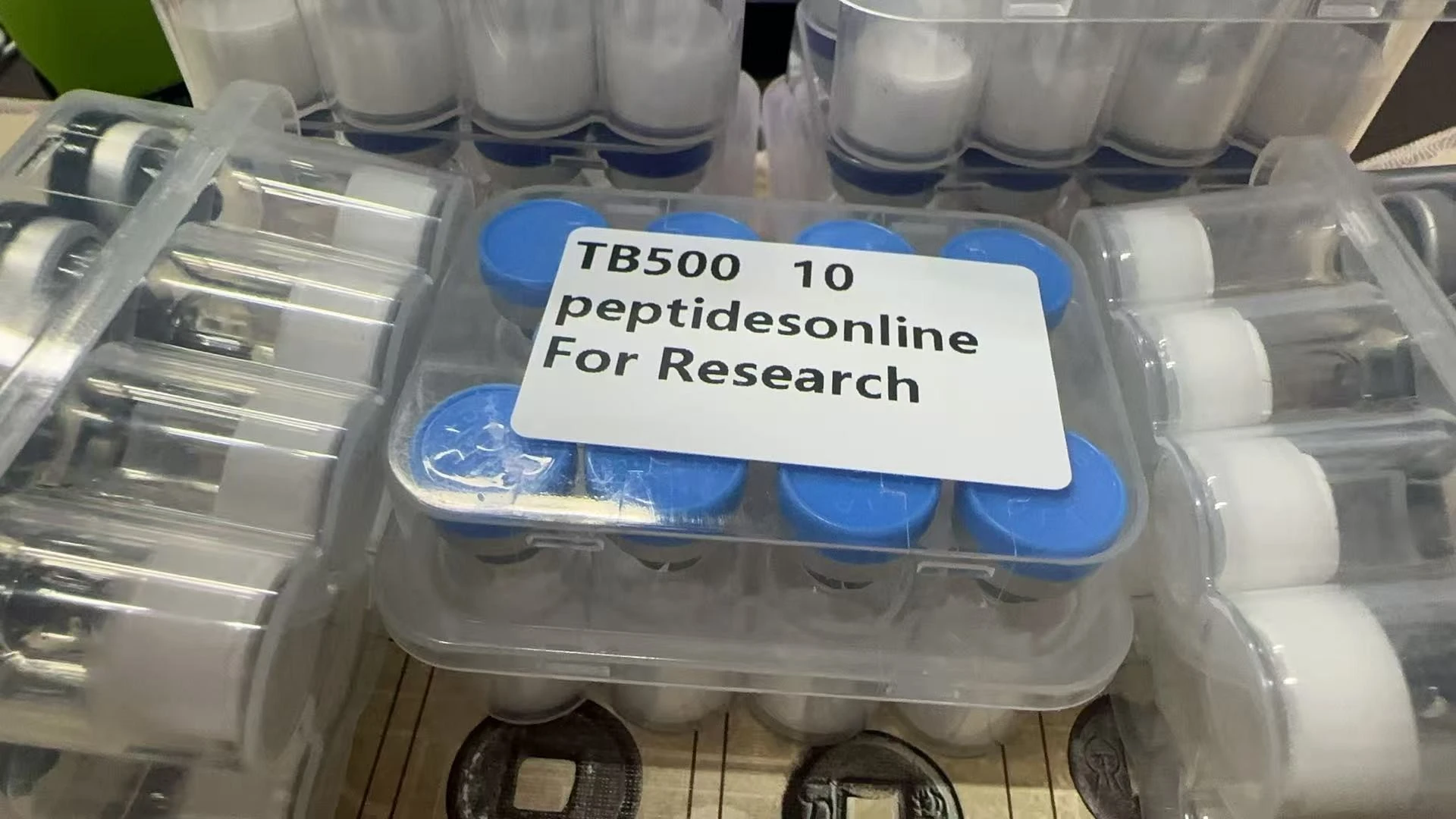
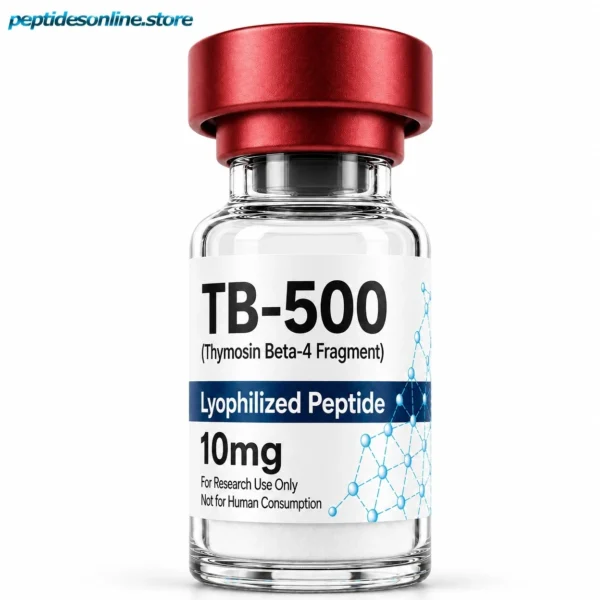
TB-500 (Thymosin Beta-4 Fragment)
TB-500 is a high-precision synthetic fragment of the naturally occurring protein Thymosin Beta-4. This specific 30-amino acid sequence is engineered to encompass the critical biological domains responsible for cellular signaling, actin sequestration, and chemotaxis. In the realm of advanced biochemical research, TB-500 is a primary focus for its role in promoting tissue repair, accelerating wound healing, and stimulating angiogenesis—the formation of new blood vessels. By interacting with G-actin, this peptide provides researchers with a stable model to study the complex mechanisms of cellular migration and extracellular matrix (ECM) remodeling.
Our TB-500 is synthesized in an ISO 9001:2015 certified and GMP-grade manufacturing environment. Utilizing state-of-the-art Solid-Phase Peptide Synthesis (SPPS) and multi-stage HPLC purification, we guarantee a chemical purity of ≥99%. This ensures that the 30-amino acid sequence is correctly assembled and free from truncated fragments or residual synthesis reagents, providing the high-fidelity data required for peer-reviewed academic and pharmaceutical studies.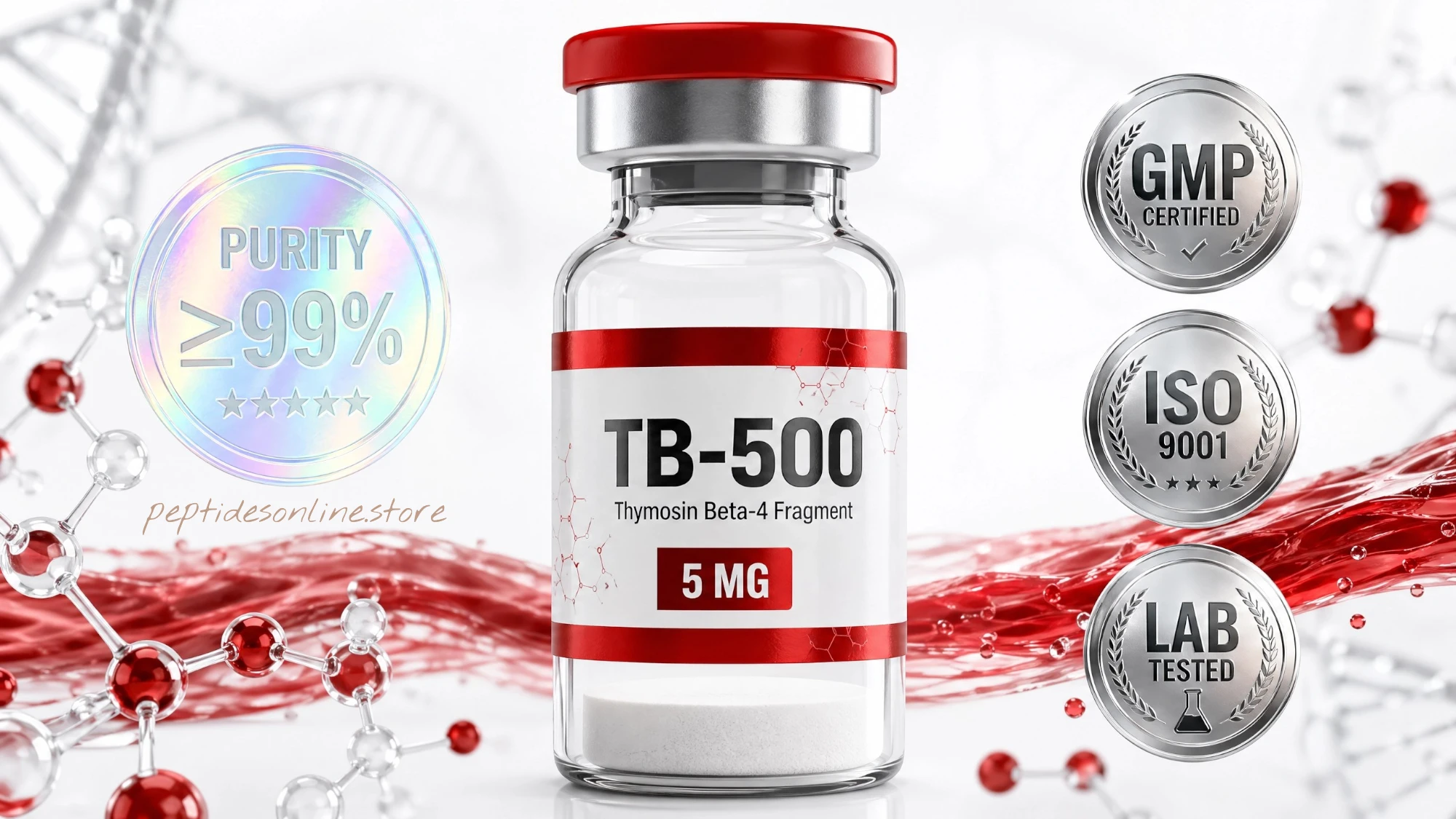
Research Applications & Mechanisms
Actin Binding & Cellular Migration
Investigating the peptide’s ability to sequester G-actin, which influences cellular motility and the migration of regenerative cells to the site of injury.
Angiogenic Response Research
Studying the signaling pathways through which TB-500 stimulates endothelial cell differentiation and the development of new capillary networks in damaged tissues.
Connective Tissue Homeostasis
Researching the peptide’s influence on collagen deposition and the organization of the extracellular matrix during the tissue recovery process.
Inflammation Modulation
Exploring the role of Thymosin Beta-4 fragments in balancing pro-inflammatory cytokines and reducing oxidative stress in musculoskeletal research models.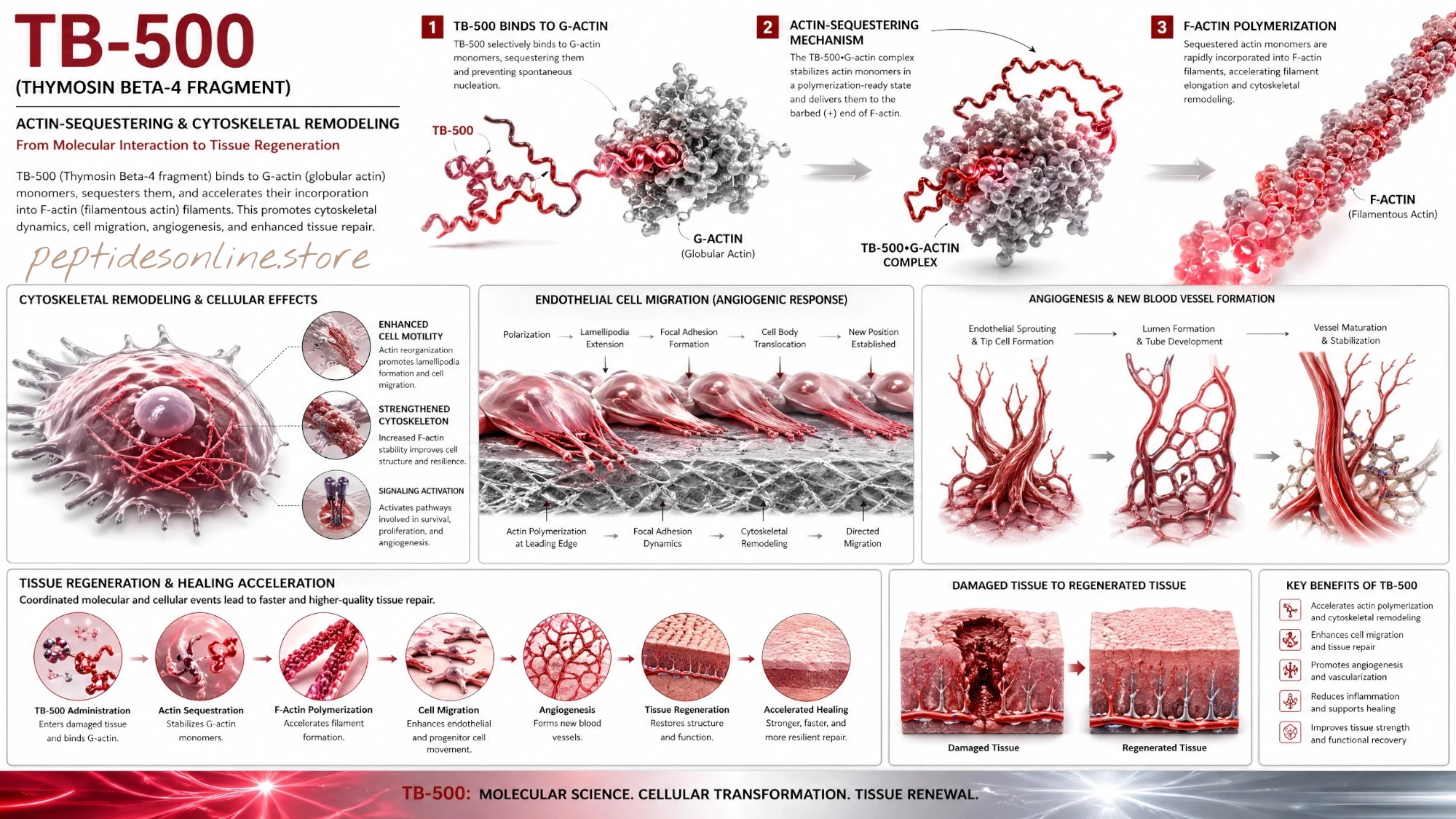
Technical Specifications
| Parameter | Laboratory Standard |
| Compound | TB-500 (Thymosin Beta-4 Fragment) |
| Full Sequence | Acetyl-Ser-Asp-Lys-Pro-Asp-Met-Ala-Glu-Ile-Glu-Lys-Phe-Asp-Lys-Ser-Lys-Leu-Lys-Lys-Thr-Glu-Thr-Gln-Glu-Lys-Asn-Pro-Leu-Pro-Ser |
| Production Quality | GMP-Level Compliance |
| Purity (HPLC) | ≥99% (Pharmaceutical Grade) |
| Physical Appearance | Fine, Smooth & Flat Lyophilized Cake |
| Molecular Weight | 3341.7 Da |
| Solubility | Highly Soluble in Water (Aqueous) / Sterile Saline |
| Batch Control | MS & HPLC Analysis Verified |
Key Features & Quality Assurance
Pharmaceutical-Grade Lyophilization
Our proprietary vacuum-sealing process ensures the TB-500 powder surface is perfectly smooth, flat, and delicate. This uniform “cake” structure guarantees rapid, clear reconstitution and prevents the 30-amino acid chain from environmental degradation.
Structural Fidelity
Every batch undergoes strict Mass Spectrometry (MS) to verify the exact amino acid sequence and sequence integrity, ensuring maximum biological activity in research environments.
Reconstitution & Storage
Reconstitution Guide
-
Preparation: Allow the vial to reach room temperature. Centrifuge for 30-60 seconds to ensure the TB-500 cake is at the base.
-
Solvent: Reconstitute with Sterile Water or Sterile Saline (0.9% NaCl).
-
Technique: Gently introduce the diluent against the vial wall. DO NOT SHAKE; swirl gently until the solution is clear and transparent.
Storage Protocols
-
Long-term: Store at -20°C (Maintains potency for up to 24 months).
-
Short-term: Stable at 2–8°C for up to 3 months.
-
Post-Reconstitution: Store at 2–8°C and utilize within 10-14 days.
Shipping & Documentation
-
Global Logistics: Shipped in discreet, temperature-controlled packaging to protect the TB-500 molecular structure.
-
Verified Quality: A batch-specific COA and HPLC/MS reports are available for every order.
-
Reshipment Policy: We provide a guaranteed reshipment policy for any lost or customs-intercepted orders (terms apply).
⚠️ Research Disclaimer
Product-Specific Safety Notice: This TB-500 (Thymosin Beta-4 Fragment) is strictly for laboratory research and analytical purposes. It is NOT intended for human or veterinary administration. All handling must be performed by qualified professionals.
Scientific Resources & References
-
National Center for Biotechnology Information (NCBI): Thymosin Beta-4 Peptide Overview (CID 16132341)
-
ScienceDirect (Elsevier): Advanced Research on Actin-Sequestration and Tissue Regeneration
🔍 Deep Dive Research
-
[Technical Guide]: How to Reconstitute and Store Lyophilized Peptides for Maximum Potency
-
[Regenerative Study]: The Bioactivity of Synthetic Thymic Fragments in Modern Research Models
sulyzouak –
Solid experience.